
On March 18, 2026, the 26th National Liver Day was observed across China. This year’s theme, “Curb Cirrhosis, Stay Away from Liver Cancer,” strikes at the core of China’s liver disease prevention and control strategy — early screening, early diagnosis, and early intervention.
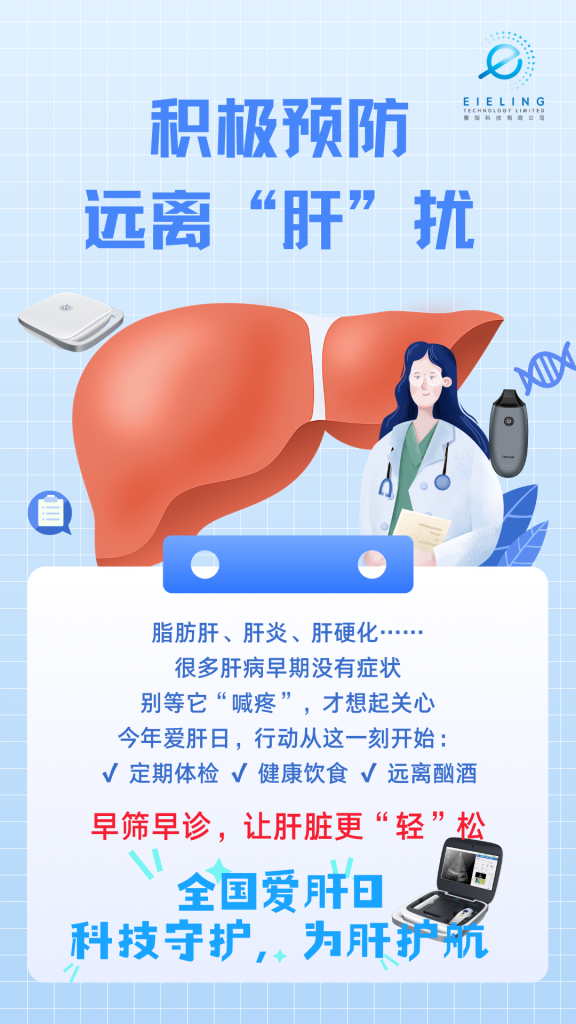
China is a country with a high prevalence of liver disease, bearing a massive patient population with chronic liver conditions including fatty liver disease, hepatitis B, and cirrhosis, while the incidence of liver cancer remains persistently high. In the face of this “silent killer,” screening is the best defense.
The “Silent” Organ
The liver is the body’s “chemical factory,” responsible for detoxification, metabolism, protein synthesis, and more — yet it is the only internal organ without pain nerve endings. This means that in the early stages of liver disease, there are virtually no noticeable symptoms. By the time symptoms such as abdominal distension, fatigue, or jaundice appear, the disease has often already progressed to cirrhosis or even liver cancer, at which point treatment becomes significantly more difficult and costly. However, if problems are detected early through precision screening, liver fibrosis and early-stage cirrhosis can be reversed. Through lifestyle interventions and standardized treatment, there is a real opportunity to halt disease progression and even restore the liver to health.
Beware of “Invisible” Fat: The TOFI Population
According to the “Guidelines for Recommended Adult Health Check-up Items (2025 Edition),” high-risk groups for liver cancer include individuals with hepatitis B virus and/or hepatitis C virus infection, excessive alcohol consumption, hepatic steatosis or metabolic dysfunction-associated liver disease, dietary exposure to aflatoxin B1, cirrhosis from other causes, and those with a family history of liver cancer, particularly males aged over 40. However, among patients with fatty liver disease, one group is particularly prone to being overlooked — the TOFI population.
TOFI stands for “Thin Outside, Fat Inside.” These individuals appear slim with a normal BMI, but have excess visceral fat, and their livers may already be quietly “infiltrated” by fat. Studies indicate that the cardiovascular risk in the TOFI population may be equal to or even greater than that of obese individuals.[1]
Routine health check-ups often fail to detect visceral fat accumulation. By the time the problem is identified, the condition may have already progressed from simple fatty liver to steatohepatitis or even liver fibrosis. Therefore, even if you “look thin,” liver screening should be taken seriously if you experience any of the following:
-
Fat easily accumulates in the abdominal area (“belly fat”)
-
Presence of metabolic issues such as diabetes, hypertension, or dyslipidemia
-
Long-term irregular eating habits, frequent consumption of high-sugar and high-fat foods
Early Screening, Early Testing — Building a Health Defense Together
On March 7, Lei Haichao, Director of the National Health Commission, emphasized at the press conference on people’s livelihoods during the Fourth Session of the 14th National People’s Congress: “Cancer is not invincible; the key lies in prevention, early screening, and early detection and treatment.” This call directly addresses the current pain points in liver disease prevention and control.
To enable more residents to access advanced liver screening technology and promote the decentralization of quality medical resources, Eieling Technology, in collaboration with Sir Run Run Shaw Hospital affiliated with Nanjing Medical University, deployed Liverscan® devices to conduct a series of community-based public welfare screening activities in February and March, bringing liver health services directly to residents’ doorsteps.
At the events, Liverscan® received unanimous praise from participants for its precise, rapid, and non-invasive detection performance. Notably, even when faced with abdominal obesity and high-BMI populations, Liverscan® maintained excellent detection capabilities, accurately localizing the liver area and rapidly generating quantitative reports — truly achieving “clear visualization and precise measurement.”
National Liver Day — Qilin Community · Qidi City Station (February 12)
The screening event was jointly conducted by a team from Sir Run Run Shaw Hospital, including Chief Physician Jiang Xiaomeng (Gastroenterology), Associate Chief Physician Yang Yan (Gastroenterology), Head Nurses Huang Shiping and Wang Jinrong, Attending Physician Miao Longsheng (General Surgery), and Dr. Wu Shanshan (Ultrasound Department), in collaboration with Vice President Chen Yanhui and Chief Physician Tan Xuejuan’s team from Qilin Community Health Service Center, providing free screening services for metabolic dysfunction-associated steatotic liver disease to the community.
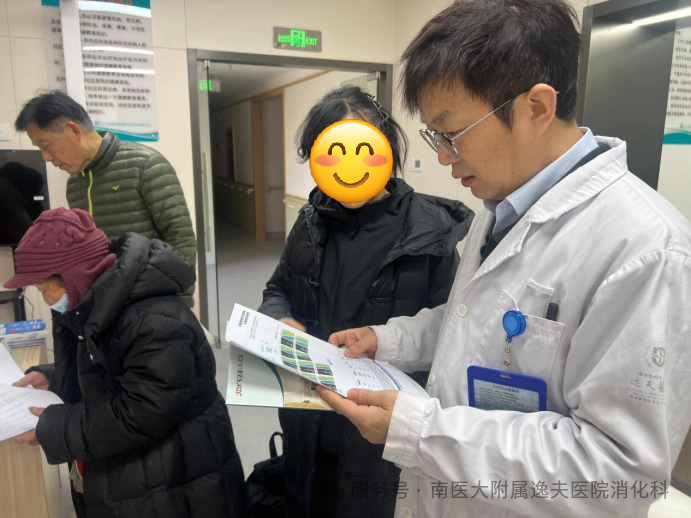
At the event, the expert team patiently and meticulously conducted examinations and consultations for residents. The screening identified multiple residents with varying degrees of fatty liver disease and liver fibrosis. Through Liverscan® screening, residents were able to detect issues early and receive timely intervention to avoid potential health risks.
National Liver Day — Donshanqiao Community Health Service Center · Shengjiaqiao Station (February 27)
A public education and screening event for hepatobiliary diseases was held at the Shengjiaqiao site of Dongshanqiao Community Health Service Center in Jiangning District. During the screening, Liverscan® was used to test residents, with results showing that over 90% of participants had some degree of fatty liver. The expert team provided on-site interpretation of Liverscan® reports and offered lifestyle intervention recommendations, ensuring patients received timely and effective care.

National Liver Day — Fangshan Community Health Service Center (March 12)
At the Fangshan Community Health Service Center outreach event, the application of Liverscan® became a highlight of the activity. Many residents completed liver health testing through this non-invasive technology and received personalized reports. The medical team, composed of specialists from the Gastroenterology, General Surgery, and Ultrasound departments of Sir Run Run Shaw Hospital, provided one-on-one risk assessments for residents, bringing precision screening directly to the grassroots level.
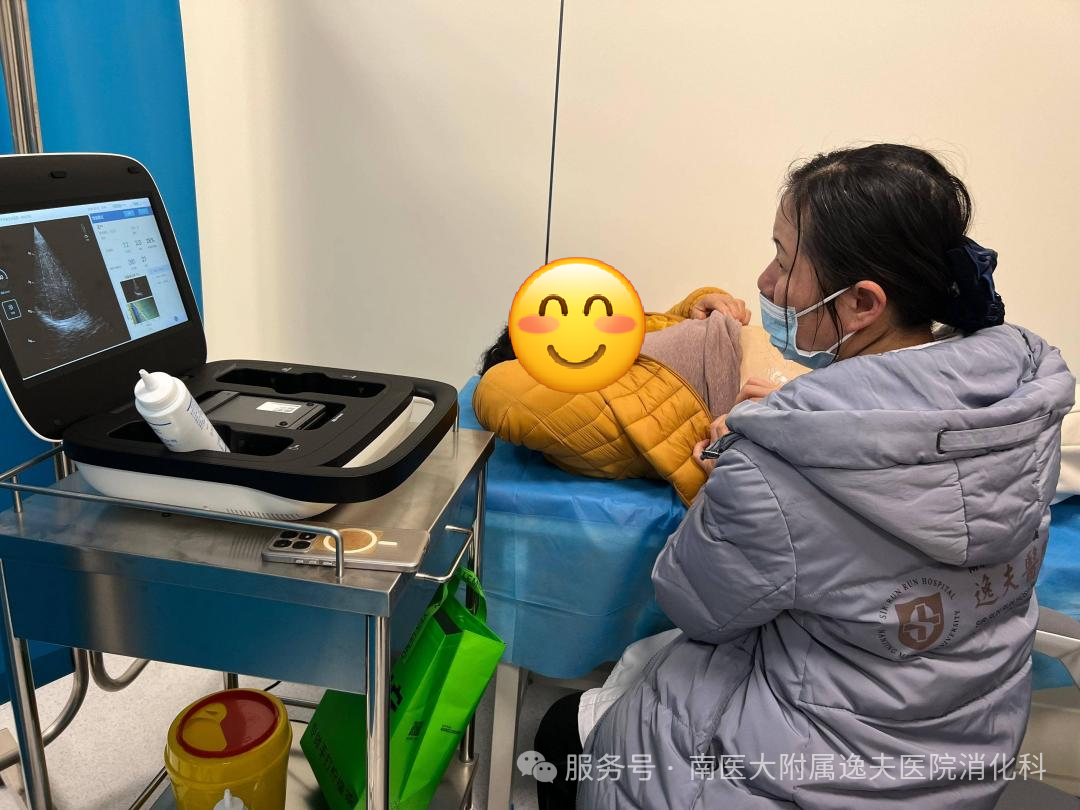
National Liver Day — Jiangning District Dongshan Subdistrict Waigang Community Health Service Center (March 19)
The outreach series continued on March 19 at the Waigang Community Health Service Center in Dongshan Subdistrict, Jiangning District, bringing precision liver health screening closer to residents. At the event, relying on the Liverscan® — Portable Liver Elastography Ultrasound Diagnostic System, medical staff completed non-invasive, rapid liver health assessments for residents and provided professional report interpretations. For liver issues identified during screening, the expert team offered personalized medical guidance and lifestyle recommendations one by one, helping residents achieve early detection and early intervention.
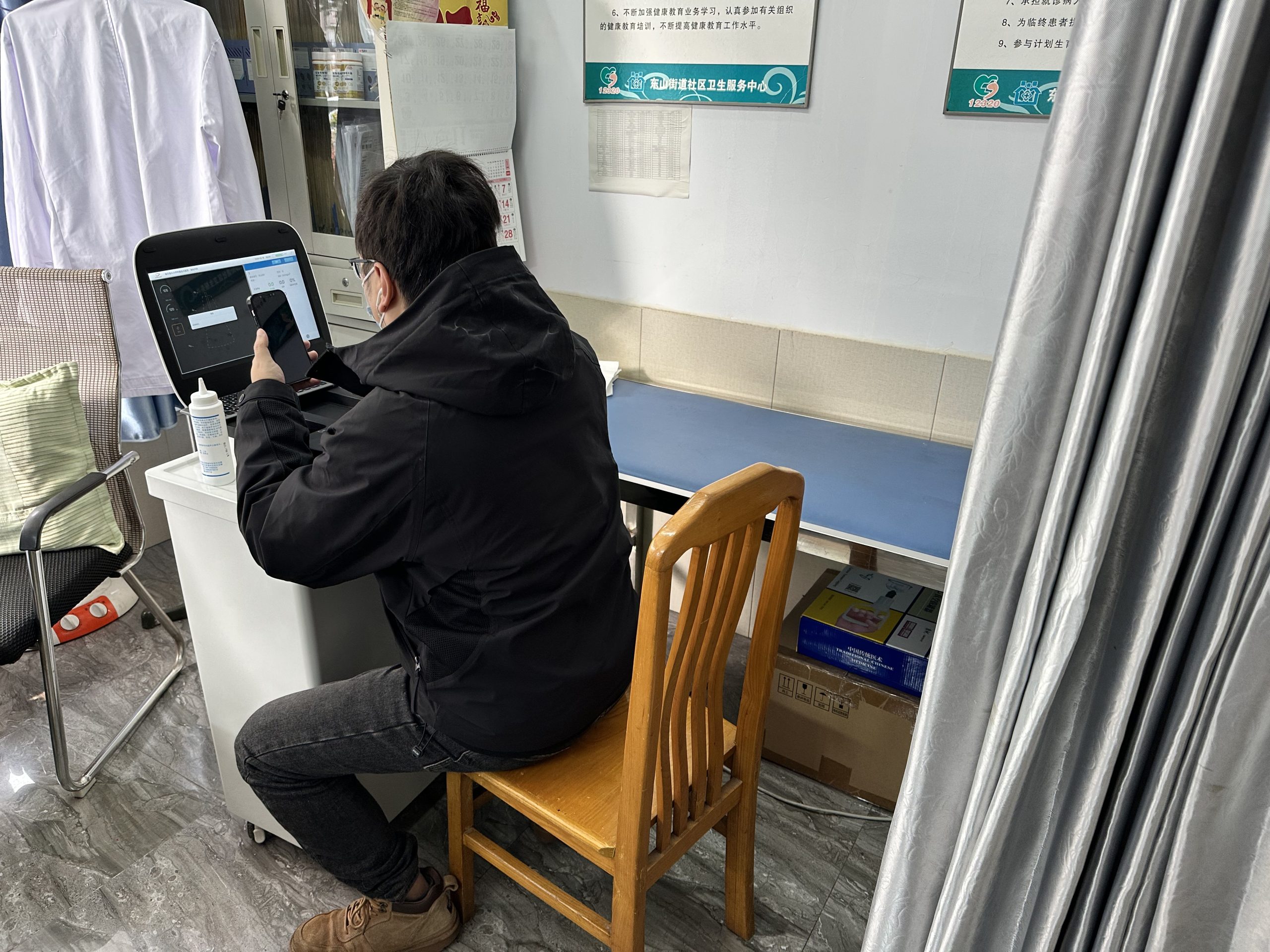
Liverscan® is non-invasive and painless during testing, making it suitable for all populations, including patients with chronic liver disease requiring long-term follow-up. Through the data measured on-site, participating residents could clearly understand the stage of their liver disease, providing a basis for subsequent clinical intervention — truly enabling early intervention and reversibility.
Don’t wait for your body to send out warning signals before you think about your liver. One precise screening may be the critical step that halts the progression of liver disease. Whether it’s regular follow-up for high-risk populations or annual health check-ups for the general public, early detection is the key to early reversal. Give your liver an “annual check-up” with Liverscan® — take action to safeguard your health and that of your family.
References:
[1] Diabetologia 2022: “Obesities: Position statement on a complex disease entity” — PMC: https://pmc.ncbi.nlm.nih.gov/articles/PMC9285368/ — PubMed: https://pubmed.ncbi.nlm.nih.gov/29073292/