Metabolic dysfunction-associated steatotic liver disease (MASLD) is the most common chronic liver condition worldwide — affecting over 1 billion people. Yet most have never had their liver fat measured. The convergence of obesity, diabetes, and the GLP-1 revolution has made liver assessment a mainstream metabolic health priority.
MASLD often progresses without symptoms for years. By the time elevated liver enzymes appear, significant fat accumulation may already be present. Early detection through quantitative assessment changes this — turning an invisible risk into a measurable, manageable health metric.
With GLP-1 receptor agonists now approved for weight management and MASH treatment, liver fat monitoring has shifted from specialist niche to mainstream metabolic care. Every weight management program now has a reason to track liver fat — creating a new standard of care and a rapidly growing market.
What fatty liver disease means, why the terminology changed, and why early stages are silent.
Why liver fat monitoring is becoming part of metabolic care in the GLP-1 era.
The connection between obesity, insulin resistance, diabetes, and liver fat accumulation.
Compare testing methods: biopsy, MRI-PDFF, ultrasound, and modern point-of-care assessment.
Use a practical risk checklist to prepare better questions for your healthcare professional.
Knowing the methods is one thing. Understanding why having the right tool in the right setting matters — that’s where patient outcomes improve and business cases strengthen.

MAP = Multi-Domain Attenuation Parameter. CAP® Is A FibroScan® Trademark. Does Not Use Elastography — Measures Liver Fat Via Ultrasound Attenuation.
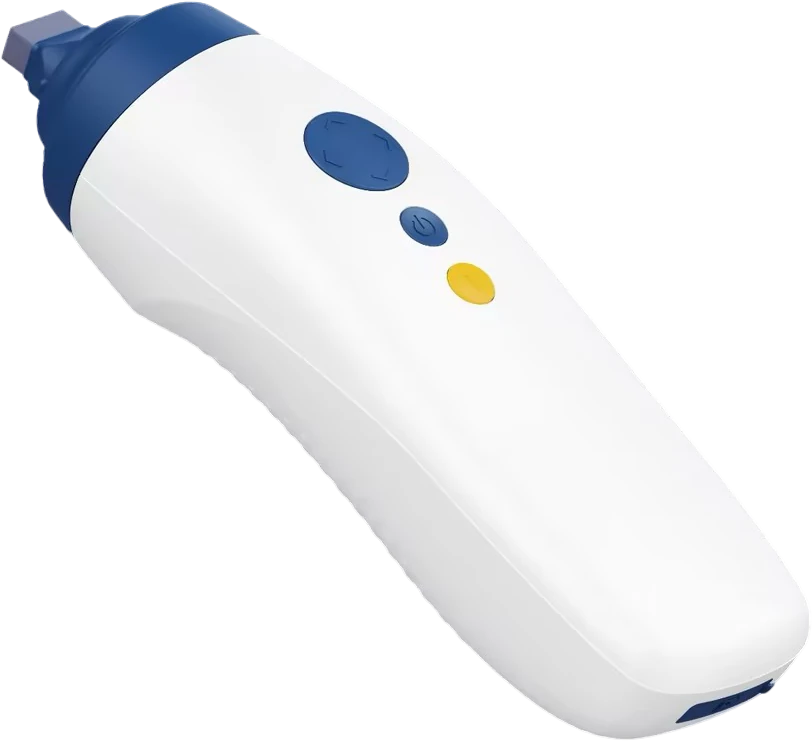
Liverscan: 2× FDA 510(K) Cleared. Both Models Share Identical Probe Hardware.
FattaLab® quantifies liver fat — the silent metabolic risk factor most patients have never measured.
Liverscan® quantifies liver stiffness — the progression marker that determines clinical urgency.
Together they cover the two most clinically relevant dimensions of liver health, accessible at the point of care — in clinics, pharmacies, and community settings worldwide.
You’ve identified 1 risk factor(s). While this doesn’t indicate disease, it may be worth discussing with your healthcare provider at your next routine visit.
Suggested step: Mention these factors to your clinician and ask whether liver health assessment is appropriate for you.
The liver diagnostics market is projected to reach $3.2B+ by 2030, driven by GLP-1 adoption, metabolic disease prevalence, and the global shift toward accessible point-of-care diagnostics. Eieling partners with distributors, clinic networks, pharmacy chains, and metabolic health programs worldwide.
